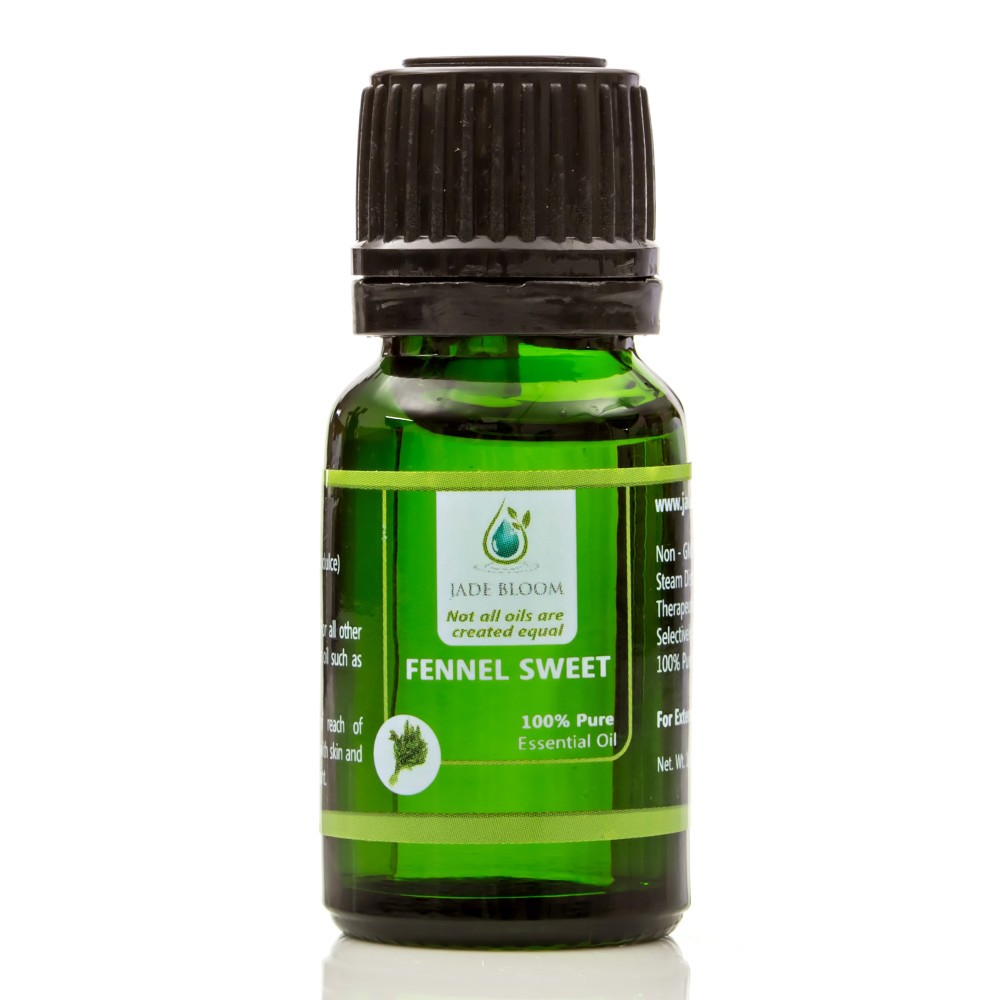
Fennel Sweet 100% Pure Essential Oil
Fennel Essential Oil: Sweet, Peppery, and Quietly Brave
There’s something unmistakable about fennel. It’s sweet like licorice, a little peppery, and so warm and familiar that it can make a room feel like an old herb garden on a late summer afternoon.
It’s a top note with medium strength, which means it greets you quickly and then settles into the background of a blend. It’s also potent, so a little goes a long way, and it deserves a careful hand. We’ll walk you through that below.
What is fennel essential oil?
Sweet fennel essential oil is steam distilled from the seeds of Foeniculum vulgare var. dulce. Botanically, what we call fennel “seeds” are actually the dried fruits of the plant. Ours is sourced from Spain.
Meet the plant
Fennel belongs to the Apiaceae family, the same family as carrots, parsley, dill, and anise. It’s a hardy, aromatic herb that can grow six or seven feet tall, with feathery, finely divided leaves and clusters of small golden-yellow flowers. It’s native to the Mediterranean but has naturalized in many parts of the world. Sweet fennel is the cultivated variety, grown for its seeds and its sweeter flavor and aroma.
A history full of legend
Fennel is one of the oldest cultivated plants in the world. It was grown by the ancient Egyptians, Romans, Indians, and Chinese, and it shows up in some of the earliest Greek writings on plants and medicine.
Its stories are wonderful:
- The ancient Greek word for fennel is marathon. The Battle of Marathon in 490 BC was fought on a plain covered in fennel, and the plant became a symbol of victory.
- In Greek mythology, Prometheus is said to have carried fire from the gods hidden inside a stalk of fennel.
- According to Roman tradition, gladiators added fennel to their meals before entering the arena, and victors were crowned with fennel garlands.
- In the language of flowers, fennel stands for strength and courage.
That’s where the traditional association with courage and strength comes from, and why many aromatherapists think of fennel as a “responsibility” oil, one that’s linked in aromatic tradition with follow-through, focus, and standing in your own integrity. We share that as tradition and imagery, not as a promise.
Meet the chemistry: what’s actually in the bottle
Sweet fennel oil is dominated by one compound.
- Trans-anethole: The star. Typically about 70 to 90% of the oil, and responsible for that sweet, licorice-like aroma. Studies of sweet fennel have measured it anywhere from the high 70s to the mid 90s, depending on where and how the fennel was grown.
- Limonene: A bright, citrusy note, usually in the low single digits to around 7%.
- Fenchone: A camphor-like compound. Sweet fennel contains very little, generally under 5%, while bitter fennel can contain much more.
- Estragole (methyl chavicol): A minor component. Sweet fennel has just a few percent, while bitter fennel oil can have several times more. One Turkish study found about 3% in sweet fennel oil and about 15% in bitter.
- Supporting players: Small amounts of alpha-pinene, p-anisaldehyde, and others.
That’s the difference between sweet and bitter fennel in a nutshell: sweet is richer in anethole with less fenchone and estragole, which is part of why it’s the variety most often chosen for aromatherapy and fragrance.
What researchers have noticed
Fennel is one of the most studied culinary and aromatic plants, and published reviews describe a wide range of laboratory findings for its compounds, including antioxidant and anti-inflammatory activity. Reviews also report estrogen-like activity in some of fennel’s constituents, particularly anethole. That research is the reason fennel oil is avoided by people with hormone-sensitive conditions, which you’ll see in the safety section.
Important context: these are mostly laboratory and animal studies, often on extracts or isolated compounds. They help explain why fennel has been so widely studied, but they don’t tell us what a diluted blend does at home.
Ways to enjoy fennel essential oil
- Diffusing: A little goes a long way. Pair with citrus or mint for a fresh, sweet, herbal room scent.
- Natural perfumery: Its anise-like, peppery sweetness adds interest to herbal, spicy, and woody blends.
- Soaps and personal care formulations: A distinctive sweet-spicy accent. Formulators, please check current IFRA guidance and stay within recommended usage levels.
- Aroma sticks and reed diffusers: Simple, low-effort ways to enjoy it.
- Very low dilution roller blends or massage oils: Keep within the dermal limit below and avoid the contraindications listed.
Aromatic profile
- Aroma: Sweet, peppery, anise-like
- Odor strength: Medium
- Note: Top
- Blends well with: Citrus oils (orange, lemon, grapefruit, bergamot), peppermint, spearmint, lavender, rosemary, geranium, cedarwood, sandalwood, black pepper, and ginger
Safety: please read this one carefully
Fennel is a potent oil with more contraindications than most. Please read this before you buy.
- Dermal maximum: 2.5%. This is the level recommended by Tisserand and Young’s Essential Oil Safety. That’s roughly 15 drops per 1 oz (30 ml) of carrier oil, and no more. Using less is often wiser.
- Pregnancy and breastfeeding: Do not use during pregnancy or while breastfeeding.
- Hormone-sensitive conditions: Do not use if you have endometriosis or an estrogen-dependent cancer, or if you’re at higher risk for these conditions. Fennel’s main constituent has been reported to have estrogen-like activity.
- Children: Not for children under 5.
- Medications and blood clotting: Fennel oil may interact with medications and may inhibit blood clotting. Anyone taking medication or managing a bleeding disorder should consult a qualified clinical aromatherapist or healthcare provider first.
- About estragole: Fennel oil contains small amounts of estragole, a compound that has caused tumors in rodent studies at high doses. European regulators advise limiting exposure, especially for young children, pregnant women, and nursing women. High-risk individuals should be especially careful not to overexpose themselves.
- Skin sensitivity: European safety assessments consider fennel preparations to be skin and eye irritants and dermal and respiratory sensitizers. Patch test first, and do not use oxidized oil on the skin, since sensitization is more likely.
- Pets: Diffuse in a well-ventilated space and give animals room to leave. Keep oil out of reach.
- Storage: Keep tightly capped in a cool, dark place.
For external and aromatic use only. Keep away from eyes. Keep out of reach of children.
Product details
- Botanical name: Foeniculum vulgare var. dulce
- Plant family: Apiaceae
- Plant part: Seeds
- Extraction: Steam distilled
- Origin: Spain
- Ingredients: 100% pure Foeniculum vulgare var. dulce seed essential oil
- Sizes available: 10 ml, 60 ml, 120 ml
These statements have not been evaluated by the Food and Drug Administration. This product is not intended to diagnose, treat, cure, or prevent any disease. This information is for educational purposes only. Consult a qualified professional reference for dilution guidance before use.
Fennel FAQ
What does fennel essential oil smell like?
Sweet, peppery, and licorice-like, with a warm, herbaceous quality. It’s a top note, so the scent is most vivid at first.
What is the difference between sweet fennel and bitter fennel?
Sweet fennel (Foeniculum vulgare var. dulce) is richer in trans-anethole and lower in fenchone and estragole. Bitter fennel (var. vulgare) has a more camphor-like profile and more estragole. Ours is sweet fennel.
What is anethole?
Anethole is the compound that gives fennel, anise, and star anise their licorice-like scent. It makes up most of sweet fennel essential oil.
Is fennel essential oil safe on skin?
Only when diluted, and not for everyone. The commonly cited dermal maximum is 2.5%. Please patch test and read all contraindications above before using.
Who should avoid fennel essential oil?
People who are pregnant or breastfeeding, who have endometriosis or an estrogen-dependent cancer, who take medications or have bleeding concerns, and children under 5. When in doubt, speak with a qualified clinical aromatherapist.
Can I use fennel oil around pets?
Use caution. Diffuse in a well-ventilated area and let pets leave the room freely. Ask your veterinarian before using essential oils around animals.
How do I store fennel essential oil?
Keep it tightly capped in a cool, dark place. Avoid using oil that has oxidized on your skin.
What blends well with fennel?
Citrus oils, peppermint, spearmint, lavender, rosemary, geranium, cedarwood, and black pepper are all lovely partners.
What sizes does fennel essential oil come in?
We offer 10 ml, 60 ml, and 120 ml bottles.
| UPC Barcode | 641990784121 |
|---|---|
| Scientific Data | U.S. National Library of Medicine "...use of herbs and other natural products are increasingly preferred. Regarding the effectiveness of fennel, it can be used to relieve the signs and symptoms significantly on primary dysmenorrhoea." Complete Scientific Study Available: http://www.ncbi.nlm.nih.gov/pmc/articles/PMC3611645/
|
| Uses | Pain / Inflammation, Respiratory, Antibacterial / Antiviral, Digestion |
| Aroma | Earthy / Herbaceous |