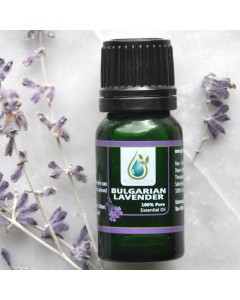

New 2025 meta-analysis shows aromatherapy reduces maternal anxiety and improves sleep quality. Learn safe ways to use lavender and essential oils during pregnancy and postpartum, plus practical tips for clinicians and parents.
Why this matters
A 2025 meta-analysis that combined 13 studies found that aromatherapy can meaningfully reduce anxiety and improve sleep for pregnant and postpartum women. This is important because it is based on multiple clinical trials, not just stories. For anyone looking for safe, nonpharmacologic options during pregnancy or the early months after birth, aromatherapy now has credible evidence behind it.
Key benefits found
-
Lowered maternal anxiety
-
Better sleep quality and deeper rest
-
Stronger effects during pregnancy compared with postpartum
These are measurable improvements across many studies, which makes the results more trustworthy.
How aromatherapy likely works
When you breathe essential oil vapors, aromatic molecules travel quickly to the brain through the olfactory system. Compounds in lavender such as linalool interact with brain regions involved in stress and sleep regulation. That biological pathway explains why inhaled lavender and certain citrus blends can calm nerves and help people fall asleep.
Safe, practical ways to use aromatherapy
Safety matters, especially in pregnancy and while breastfeeding. Try these simple, low-risk options:
-
Talk to your healthcare provider before starting aromatherapy.
-
Use diffusion or an inhaler stick instead of undiluted skin application.
-
Start with short sessions and low amounts. Try 5 to 10 minutes in the evening.
-
Choose high quality essential oils with clear sourcing and purity testing.
-
Track results with a sleep diary, mood notes, or a brief anxiety scale.
Practical ideas for clinics and product teams
-
Offer a standardized lavender inhaler or diffuser option in perinatal care settings.
-
Combine aromatherapy with sleep hygiene education and mental health screening.
-
Product teams should publish ingredient breakdowns, dilution guidance, and safety notes.
-
Researchers should run larger trials that include objective sleep tracking, such as actigraphy.
Limitations to keep in mind
The meta-analysis strengthens confidence, but studies differed in design, oils used, dose, and outcome measures. Larger, standardized trials are still needed. Aromatherapy is supplementary care. It should enhance clinical treatment, not replace it.
A hopeful picture for the future
Imagine hospitals offering a simple lavender inhaler as part of postnatal comfort kits. Imagine large trials that measure sleep stages and long term maternal wellbeing. Imagine product labeling that lists chemical profiles so clinicians can pick standardized oils. These steps could move aromatherapy from a pleasant option to a trusted, evidence-based part of perinatal care. Small, repeatable practices like a nightly inhalation ritual can add up to better rest, lower anxiety, and a gentler recovery.
Quick checklist for parents
-
Ask your provider if aromatherapy is okay for you.
-
Use a diffuser or inhaler, not neat oils on skin.
-
Start small and note changes in sleep and mood.
-
Buy high quality, tested oils.
Sources and links
-
Frontiers in Public Health 2025 meta-analysis (full text)
https://www.frontiersin.org/journals/public-health/articles/10.3389/fpubh.2025.1701126/full -
PubMed Central copy of the meta-analysis (open access)
https://pmc.ncbi.nlm.nih.gov/articles/PMC12698402/ -
ResearchGate PDF for the meta-analysis
https://www.researchgate.net/publication/398081366_The_effects_of_aromatherapy_on_anxiety_and_sleep_quality_in_maternal_women_a_systematic_review_and_meta-analysis/fulltext/6929e1a2e889e65e796a78fc/The-effects-of-aromatherapy-on-anxiety-and-sleep-quality-in-maternal-women-a-systematic-review-and-meta-analysis.pdf?origin=journalDetail -
Systematic review on aromatherapy during pregnancy (Complementary Therapies in Medicine, 2025)
https://pubmed.ncbi.nlm.nih.gov/41192533/ -
Lavender and the nervous system review (mechanisms) 2013, PMC
https://pmc.ncbi.nlm.nih.gov/articles/PMC3612440/ -
Lavender essential oil mechanisms and anxiolytic effects review 2018, PMC
https://pmc.ncbi.nlm.nih.gov/articles/PMC6007527/