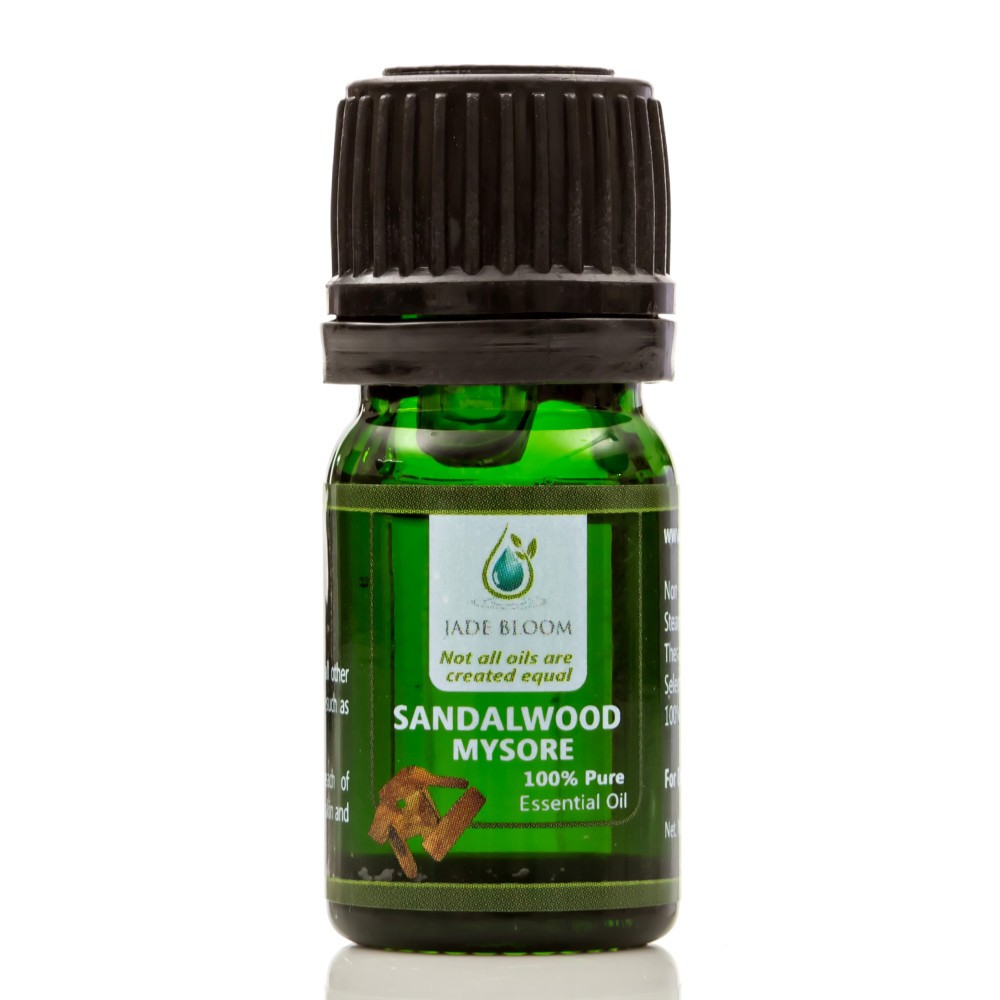
PRE-SALE: Sandalwood 100% Pure Essential Oil
Pre-Sale Details
This is a limited pre-sale offering available Nov 2 through Nov 7.
For pre-sale only, save 10% on 60 ML & 15% 120 ML Sizes, priced as marked.
Orders will begin shipping in early December 2026. IF YOU ADD OTHER ITEMS TO CART WITH THIS ITEM, ALL ITEMS WILL SHIP IN DECEMBER 2026.Sandalwood Essential Oil
100% Pure Santalum album Essential Oil
Close your eyes and picture a quiet temple at dusk. Warm wood, soft smoke, a little bit of cream and sweetness underneath. That's Mysore sandalwood. It's the scent of slowing down, and it's been doing that for people for thousands of years.
This is one of the most treasured oils on the planet. It's rare, it's grounding, and it's meant to be savored. A little goes a long way, and honestly, that's part of the magic.
Quick Facts
Botanical name: Santalum album
Plant origin: Tree, wood
Extraction method: Steam distillation
Country of origin: India
Aroma: Exotic, woody, creamy, soft, and subtly sweet
Odor intensity: Medium
Evaporation rate: Base note
Best for: Aromatherapy, meditation and ritual spaces, natural perfumery, and handcrafted personal care, soap, candle, and incense making
What Makes Mysore Sandalwood Special?
Not all sandalwood is the same, and this is where "Mysore" really matters. The name comes from the Mysore region of Karnataka, India, historically the most celebrated source of Santalum album, or East Indian sandalwood. The oil is steam distilled from the aged heartwood of the tree, which is where the rich, creamy fragrance develops.
Compared to sandalwood from other species and regions, Mysore sandalwood is known for its smooth, round, deeply woody aroma with a soft, milky sweetness. Its main aromatic compounds are called santalols, and it's the balance of those that perfumers and aromatherapists have prized for generations. Every Jade Bloom oil is GC/MS tested, so you can see exactly what's in your bottle.
Why Is Sandalwood So Rare?
Patience. Lots of it. Sandalwood trees grow slowly, and the heartwood that holds the fragrant oil takes decades to develop. On top of that, Santalum album has become increasingly scarce in the wild, and harvesting in India is tightly regulated. Put it all together and you have an oil that's limited by nature, by time, and by law. When you hold a bottle of true Mysore sandalwood, you're holding something that took a very long time to grow.
A Little Sandalwood History
Sandalwood has been treasured for thousands of years, most notably in India, where it's woven into spiritual and cultural traditions. Its wood and oil have been used in temples, ceremonies, and incense for generations, and it also holds a place in traditional Ayurvedic, Chinese, and Tibetan practices. It's long been known as a centering, meditative scent, which is why you'll still find it in sacred spaces and contemplative practices today.
We share this history as education and appreciation, not as a promise of any particular result. What we can say for sure is that sandalwood has earned its place in human ritual.
The Aroma Experience
Top impression: Smooth, creamy wood with a gentle sweetness
Heart: Warm, balsamic, and slightly milky
Drydown: A soft, lingering woodiness that hangs around for hours
As a base note, sandalwood is the anchor of a blend. It's slow to evaporate, which means it helps other aromas last longer. Perfumers often use it as a "fixative" for exactly that reason. The intensity is medium, so it's gentle in the room but very present on the drydown.
Blending Ideas
Sandalwood is the ultimate team player. Try pairing it with:
- Rose or jasmine: Romantic, floral, and luxe
- Frankincense or myrrh: Resinous, meditative, and ancient-feeling
- Lavender: Soft, soothing, and perfect for a quiet evening wind-down
- Bergamot or sweet orange: A bright citrus lift on a deep, woody base
- Cedarwood or vetiver: Earthy, grounding, and forest-floor deep
- Ylang ylang: Sweet, exotic, and a little bit sultry
- Patchouli: Rich, earthy, and bohemian
Ways to Use Sandalwood
- Aromatherapy: Add a drop or two to a diffuser or personal inhaler for a calm, grounded atmosphere. Many people reach for sandalwood during quiet evenings, yoga, journaling, or meditation.
- Meditation and ritual: A longtime favorite for sacred space, intention setting, breathwork, and anytime you want to feel centered.
- Self-care rituals: Blend into your own properly diluted carrier oil for a luxurious, aromatic massage or bath-time moment.
- Natural perfumery: A classic base note and natural fixative for solid perfumes, roll-ons, and custom fragrance blends.
- Soap, candle, and incense making: A warm, exotic woodiness that makes handmade creations feel extra special.
Tips for Getting the Most From Your Bottle
- Start small. This is a potent, precious oil. A little goes a long way, and you can always add more.
- Dilute before it touches skin. Always blend into a carrier oil or other suitable base, and do a patch test first.
- Give it time. Base notes unfold slowly. Let your blend settle for a bit and you'll notice the sandalwood deepen as the lighter notes fade.
- Store it with love. Keep the cap tightly closed and store in a cool, dark place away from heat and sunlight to help protect the aroma.
Frequently Asked Questions
What does Mysore sandalwood smell like?
Creamy, soft, and woody with a gentle, almost milky sweetness. It's warm, smooth, and meditative, and it lingers beautifully on the drydown.
Why is Mysore sandalwood so expensive?
The trees take decades to mature, supply is limited, and harvesting is tightly regulated. It's a rare oil, and the price reflects that.
What's the difference between Mysore sandalwood and other sandalwoods?
Different species and regions produce different aromas. Santalum album from India is known for its smooth, creamy, deeply woody profile, which is why it's so celebrated in perfumery and aromatherapy.
Why is sandalwood called a base note?
Base notes evaporate slowly and form the lasting foundation of a blend. Sandalwood is a classic example, and it helps anchor and extend the aroma of lighter oils.
Can I use Sandalwood undiluted on my skin?
No. Always dilute with a carrier oil and consult a professional reference for correct dilution ratios before use.
Is Sandalwood safe during pregnancy?
We recommend avoiding it during pregnancy and lactation. If you're pregnant or nursing, please check with your healthcare provider about aromatherapy use.
Is this oil for internal use?
If you have questions about internal use of any essential oil, please consult a qualified clinical aromatherapist.
Our Promise
Every Jade Bloom oil is GC/MS tested, and you can look up your batch results anytime in our Batch Lookup. No mystery, no fluff. Just a 100% pure Mysore sandalwood we're proud to put our name on.
Disclaimer:
The above statements have not been evaluated by the FDA. This information is for educational purposes only. It is not intended to treat, cure, prevent, or diagnose any disease or condition, nor is it intended to prescribe in any way. This information may not be complete, nor may its data be accurate.
Safety precautions: Extremely potent, use with care. Consult a professional reference for correct dilution ratios prior to application. Avoid in pregnancy and lactation. Keep away from the eye area. Keep out of reach of children.
| UPC Barcode | 641990784220 |
|---|---|
| Uses | Sleep, Skincare, Relaxation, Respiratory, Wellness, Haircare, Immunity |
| Aroma | Woodsy |